Our Founder
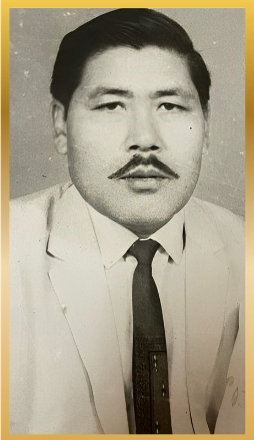
Nishi Kanta Daulagupu
Intro
N.K. Daulagupu was a self made entrepreneur, pioneering builder, and one of the foundational figures in the development history of the region. Born in April 1928 in Gunjung, Dima Hasao, he built his life through resilience, practical intelligence, and an unwavering sense of responsibility. What began as one man’s determination to learn, build, and stand on his own became the foundation of a multi generational legacy that continues today through Daulagupu Developers.
Early Life
N.K. Daulagupu was born into a family led by Naisho Daulagupu, a respected local figure who held the post later known as Muzadar and was also known for his entrepreneurial spirit. The family was rooted in Gunjung, and from an early age N.K. Daulagupu grew up around responsibility, trade, and public duty. He studied at Haflong Missionary School up to Class VI, but his formal education was cut short when he returned home and began assisting his father in day to day affairs. Those early years of service, discipline, and responsibility would go on to shape the man he became.
Learning the Trade
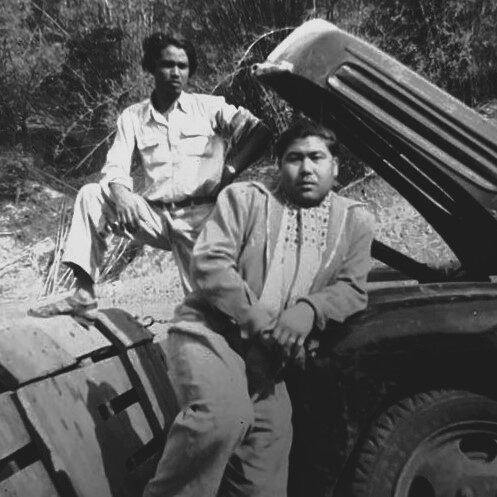
After some of his brothers completed their education and began their own careers, N.K. Daulagupu moved back to Haflong in the early 1940s. There, he worked under Lt. J.B. Hagjer, learning the practical foundations of the construction trade. This period of apprenticeship gave him the experience, exposure, and confidence to eventually begin on his own. It was the start of a journey built not in privilege, but in effort, discipline, and hands on learning.
The First Independent Project
In 1949, N.K. Daulagupu undertook his first independent project: the construction of a warehouse near the Autonomous Council buildings in Haflong. With limited capital, he reportedly borrowed money from Late K.K. Hojai to begin the work, completed the project successfully, repaid the loan, and established his footing as an independent contractor. That project marked the true beginning of the Daulagupu legacy in construction and development.
Building a Legacy
Over the years, N.K. Daulagupu emerged as the district’s first Class I-A Licensed Contractor and became associated with major infrastructure and public works that contributed meaningfully to regional growth. Among the works connected to his legacy are the Haflong Gravity Water Supply Scheme, the Diphu Gravity Water Supply Scheme, the Dimapur–Bokolia Road, the Haflong Civil Hospital building, the Haflong Government College building, the Haflong College hostel, the ITI building at Haflong, substantial length of DD Road, and numerous roads and buildings across Dima Hasao and Karbi Anglong. His work reflected both scale and substance, and helped shape the built environment of the region across decades.
Enterprise, Adaptability, and Growth
Beyond contract work, N.K. Daulagupu displayed a strong instinct for enterprise and adaptation. Family material describes how he built operational capacity, owned a significant fleet of lorries, and navigated difficult changes in fuel economics by shifting from petrol based trucks to diesel. He also accumulated important landholdings over time, reflecting not only business success but a long term understanding of asset value and stewardship.
Public Service and Character
In 1962, N.K. Daulagupu entered public life with the stated aim of serving and uplifting the people of the district, later serving multiple terms as a Member of the District Council at Haflong. He was remembered not only for his professional achievements, but for his large heartedness, warmth, and generosity. He was known as someone who helped those in need, especially in matters relating to education and community welfare, and whose home remained open to others with hospitality and care.
Enduring Legacy
N.K. Daulagupu passed away on 20th January 1986, but the legacy he built endured through the generations that followed. One of his lifelong dreams was to build a cinema theatre. Though he began the project, he did not live to see it completed. That vision was later carried forward and completed by his son, Thanglai Daulagupu, reflecting the continuity and strength of the Daulagupu legacy.